SME IPO vs Mainboard IPO: How They Differ in Rules, Ticket Size and Risk After SEBI's 2025 Changes
SME IPO vs mainboard IPO: 2 lots above ₹2 lakh vs ₹10,000-15,000, lot-based trading, market makers and SEBI's 2025 rule changes.
Summarize this article with AI





The short version
- SME IPOs list on NSE Emerge or BSE SME under SEBI ICDR Chapter IX; mainboard IPOs list on the main NSE/BSE market.
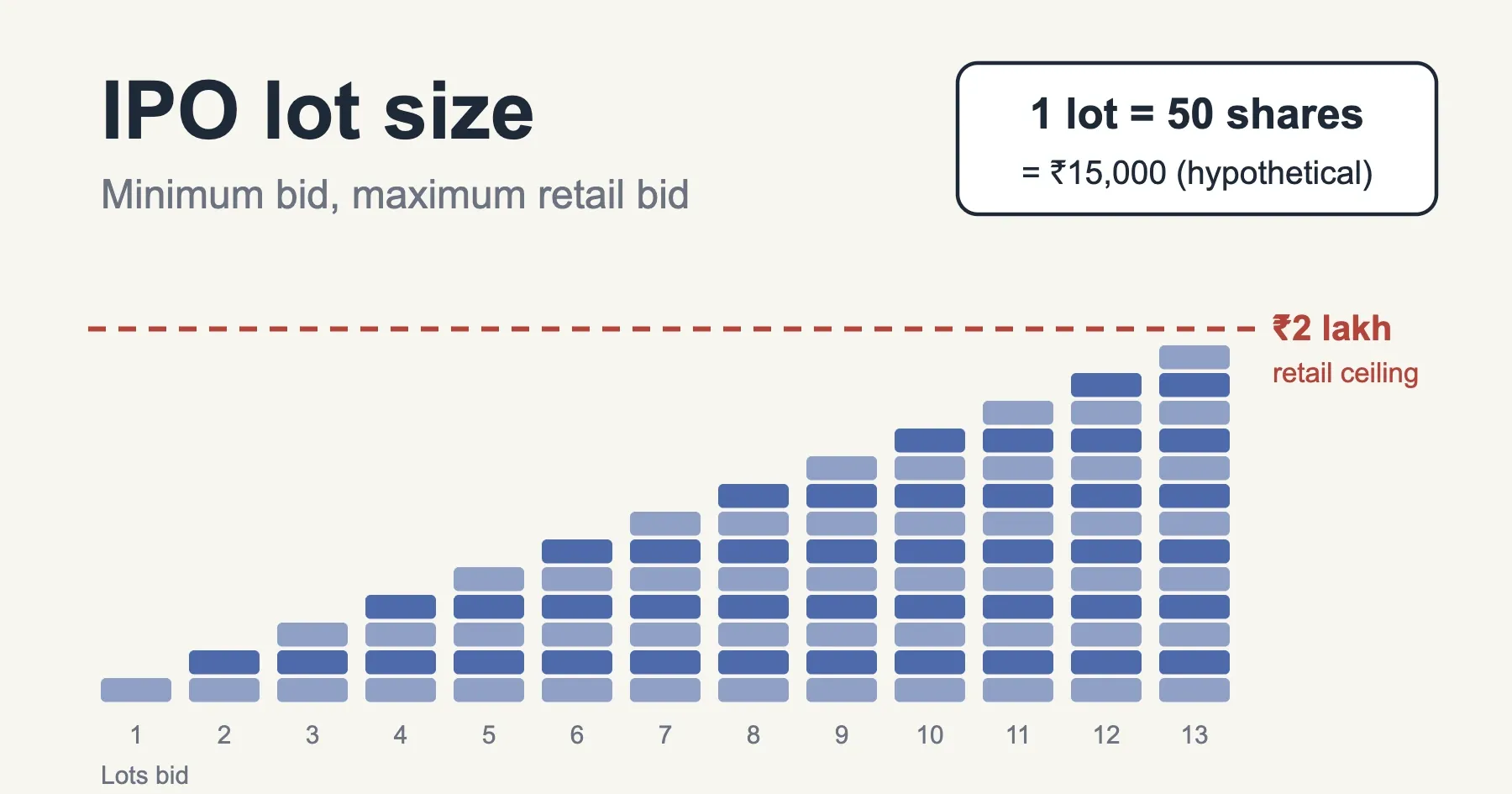
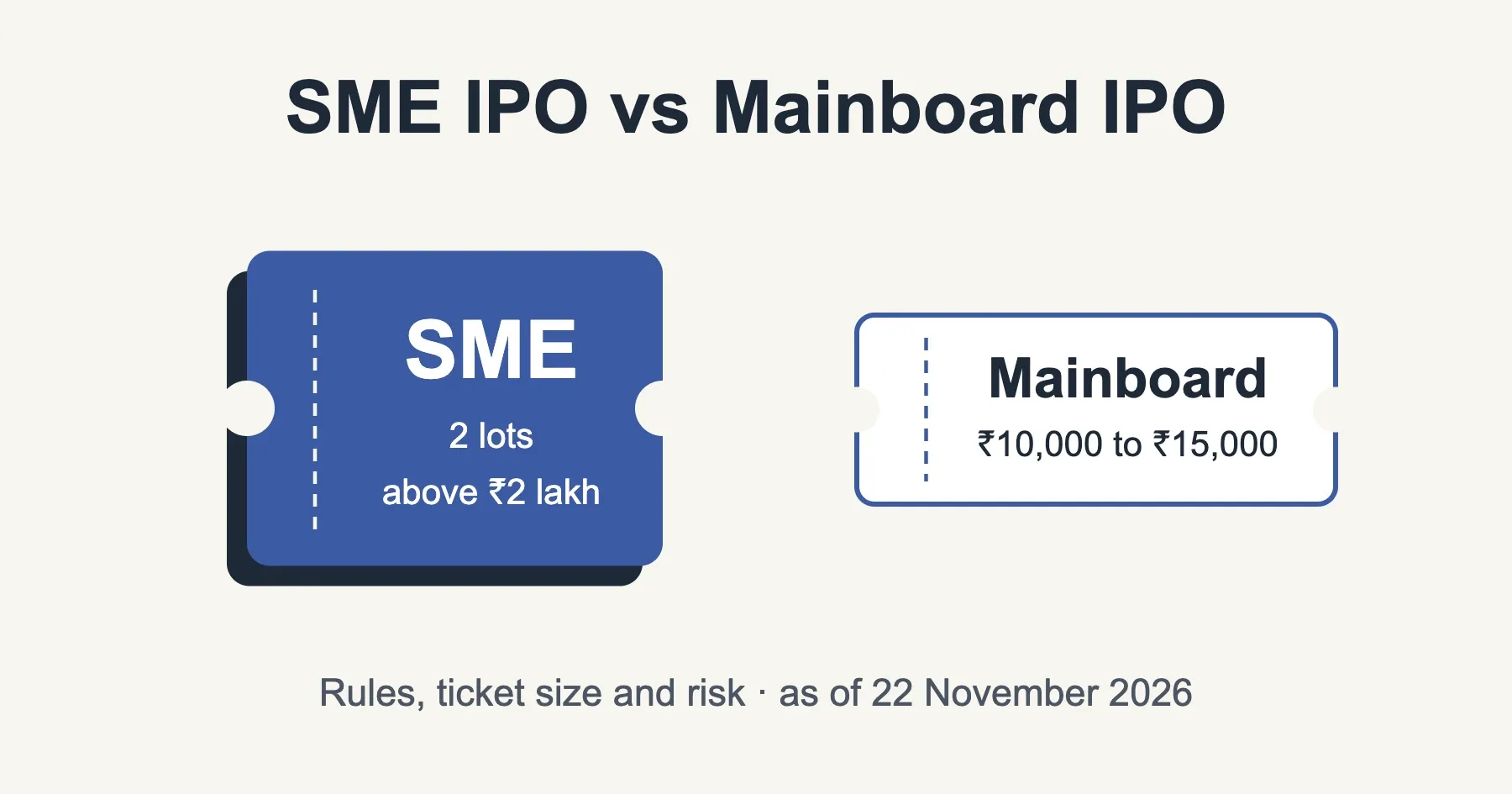
- An SME application needs 2 lots above ₹2 lakh, versus ₹10,000 to ₹15,000 for a mainboard minimum application.
- SME shares trade in whole lots with a compulsory market maker for 3 years, and trading can be thin.
- SEBI's 2025 changes added a ₹1 crore profit test, OFS and GCP caps, and stricter bidding from 1 July 2025.
- A ₹1 lakh minimum and one-share trading lot are only proposals (SEBI paper, 14 October 2026), not rules.
As of 25 November 2026, an SME IPO lists on a separate exchange platform (NSE Emerge or BSE SME), asks an individual investor to apply for at least 2 lots worth more than ₹2 lakh, and its shares trade in whole lots with a market maker. A mainboard IPO has a minimum application of ₹10,000 to ₹15,000 and its shares trade one at a time. SEBI tightened SME rules in 2025, but for a retail applicant the money at stake and the difficulty of selling are still much higher in an SME issue.
Aditi, 27, in Pune, has applied to two mainboard IPOs. Her app now shows an SME IPO with a much larger minimum amount. This page compares the two, rule by rule, and lists what can go wrong.
What an SME IPO is
An SME IPO is a public issue by a smaller company under Chapter IX of the SEBI (Issue of Capital and Disclosure Requirements) Regulations, 2018 (the ICDR Regulations). The shares list on a dedicated SME platform: NSE Emerge on the National Stock Exchange, or BSE SME on BSE. A mainboard IPO is the familiar kind, listed on the main NSE or BSE market.
Per SEBI's consultation paper of 14 October 2026, issuers with post-issue paid-up capital up to ₹10 crore come under the SME rules, and those above ₹10 crore and up to ₹25 crore may also use the SME route. These companies are usually younger and smaller, which shapes every rule below.
SME IPO vs mainboard IPO: side-by-side table
| What you compare | SME IPO (NSE Emerge / BSE SME) | Mainboard IPO (NSE / BSE) |
|---|---|---|
| Rulebook | SEBI ICDR Chapter IX, as amended in 2025 | SEBI ICDR main board provisions |
| Issuer size | Post-issue paid-up capital up to ₹25 crore | Larger companies; separate main board eligibility tests |
| Profit test | Operating profit of ₹1 crore in 2 of the 3 preceding years | Different tests under the main board rules |
| Minimum application | 2 lots, value above ₹2 lakh (from 1 July 2025) | ₹10,000 to ₹15,000 (Regulation 47) |
| Individual investor share | At least 35% of the net offer to individual investors | A reserved retail portion; the RHP states the exact share |
| Bidding | No cut-off price bids; bids cannot be lowered or cancelled | Cut-off bids allowed for retail applicants |
| Market maker | Compulsory for at least 3 years from listing (Regulation 261) | Not required |
| Trading after listing | In lots; the IPO lot equals the trading lot | One share at a time |
| Use of money raised | General corporate purposes capped at 15% or ₹10 crore; no repaying promoter loans | Separate main board limits |
| Selling shareholders | OFS up to 20% of the issue; each seller up to 50% of holding | Separate main board rules |
| Moving up | Migration to the main board on meeting the conditions | Not applicable |
The worked example (hypothetical)
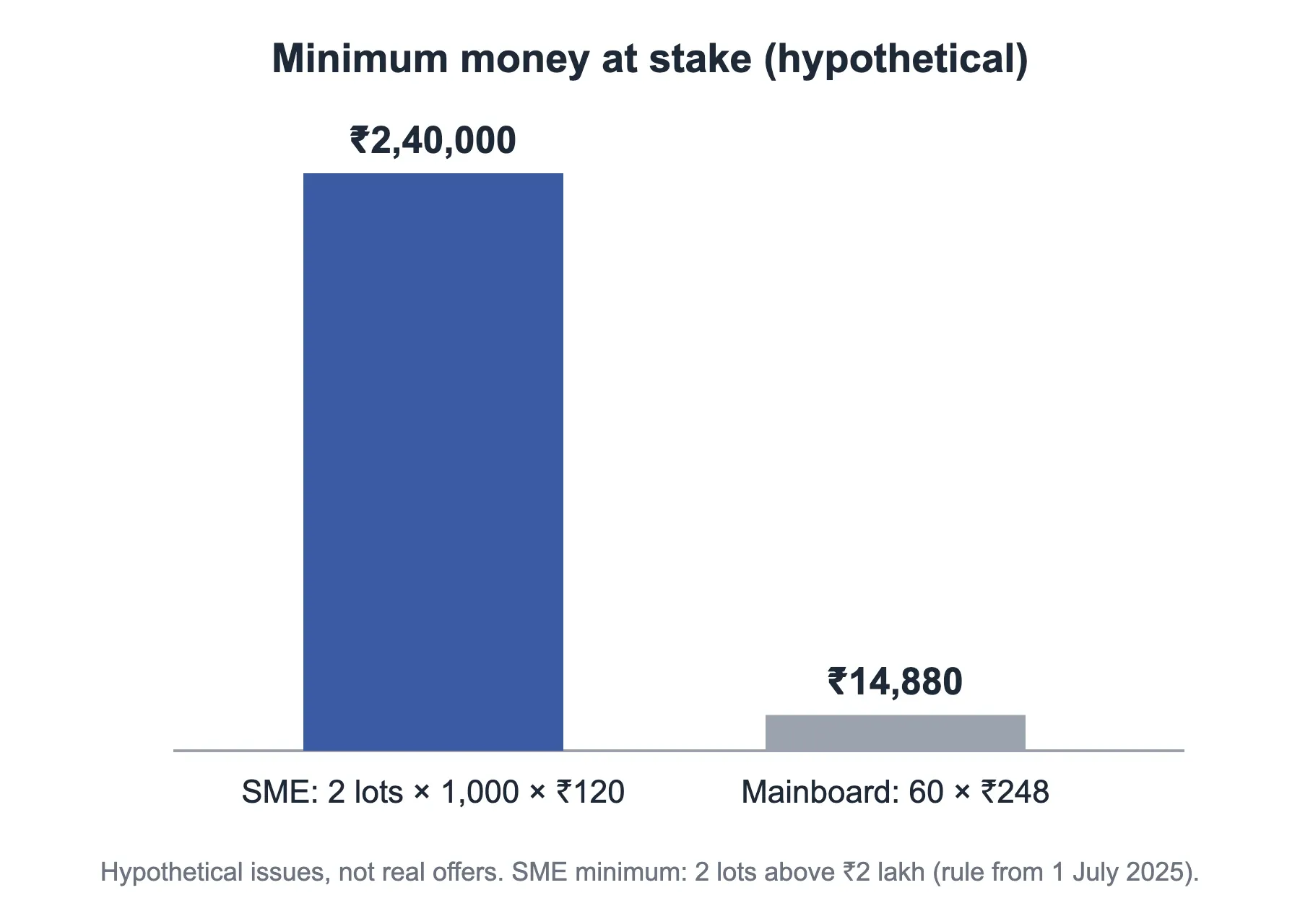
Take a hypothetical SME issue priced at ₹120 with a lot of 1,000 shares. The minimum application of 2 lots is 2 × 1,000 × ₹120 = ₹2,40,000, which clears the "above ₹2 lakh" rule. Compare a hypothetical mainboard issue with a lot of 60 shares at ₹248: ₹14,880.
The SME application blocks ₹2,25,120 more in your bank account, about 16.1 times the mainboard amount. If the price moved 10% after listing (an assumed move, for illustration only), the SME holding would rise or fall by ₹24,000 and the mainboard holding by ₹1,488. And to sell the SME shares, you would sell one lot of 1,000 shares (worth ₹1,20,000 at the issue price) or both lots, nothing smaller.
What SEBI changed in 2025, and what is only proposed in 2026
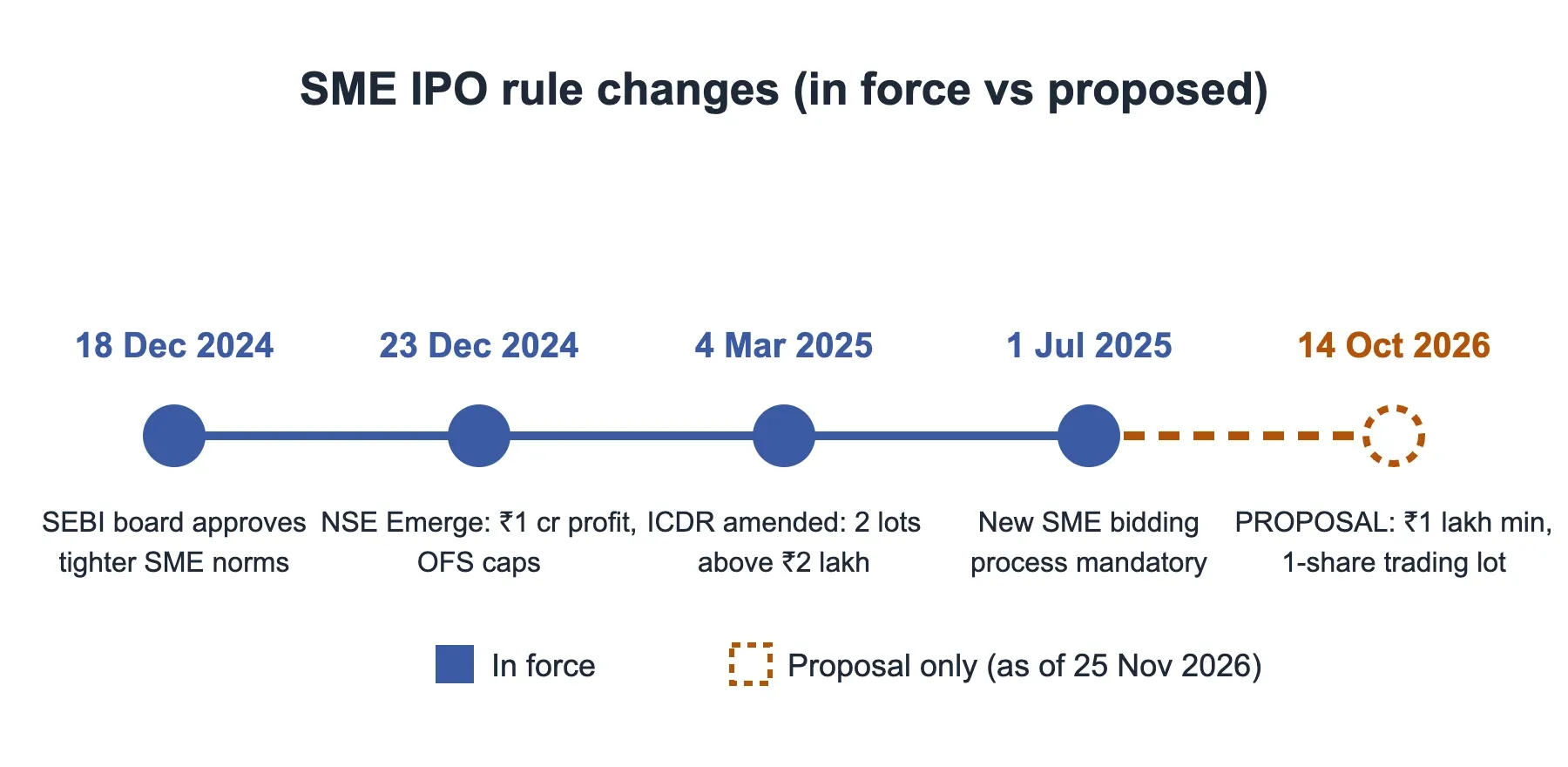
In force (dated):
- 18 December 2024: SEBI's board approved tighter SME IPO norms (SEBI Press Release No. 36/2024, cited by NSE).
- 23 December 2024: NSE Emerge added a ₹1 crore operating profit (EBITDA) test in 2 of 3 years, OFS caps, and a bar on proceeds repaying promoter or related-party loans.
- 4 March 2025: the ICDR amendment for SME issues raised the minimum application to 2 lots above ₹2 lakh and capped general corporate purposes at 15% of the amount raised or ₹10 crore, whichever is lower (as described in SEBI's October 2026 paper).
- 1 July 2025: the new SME bidding process became mandatory: "individual investor" replaced "retail individual investor", and cut-off bids and bid cancellation ended.
Proposed, not in force (SEBI consultation paper, 14 October 2026; comments closed 4 November 2026):
- Minimum application of 4 lots of ₹25,000 each, or ₹1,00,000.
- Trading lot reduced to one share.
- Compulsory market making removed.
- Eligibility based on post-issue market capitalisation, with issuers up to ₹1,000 crore using only the SME platform.
- Minimum allottees raised from 200 to 500.
We have not seen a final SEBI decision on these as of 25 November 2026; check sebi.gov.in.
Risks specific to SME IPOs for retail investors
Liquidity. Thin trading can mean you cannot sell at a price you want, or at all, on a given day. SEBI's paper reports that between August 2025 and July 2026, market-maker turnover was 0 to 10% of total turnover across 361 NSE and 268 BSE SME scrips, so the market maker is a backstop, not a guarantee of an exit.
Trading in lots. Because the trading lot equals the IPO lot, you cannot trim a position gradually. In the hypothetical example, your smallest sale is 1,000 shares.
Concentration. A single ₹2,40,000 application can be a large share of a first-time investor's savings.
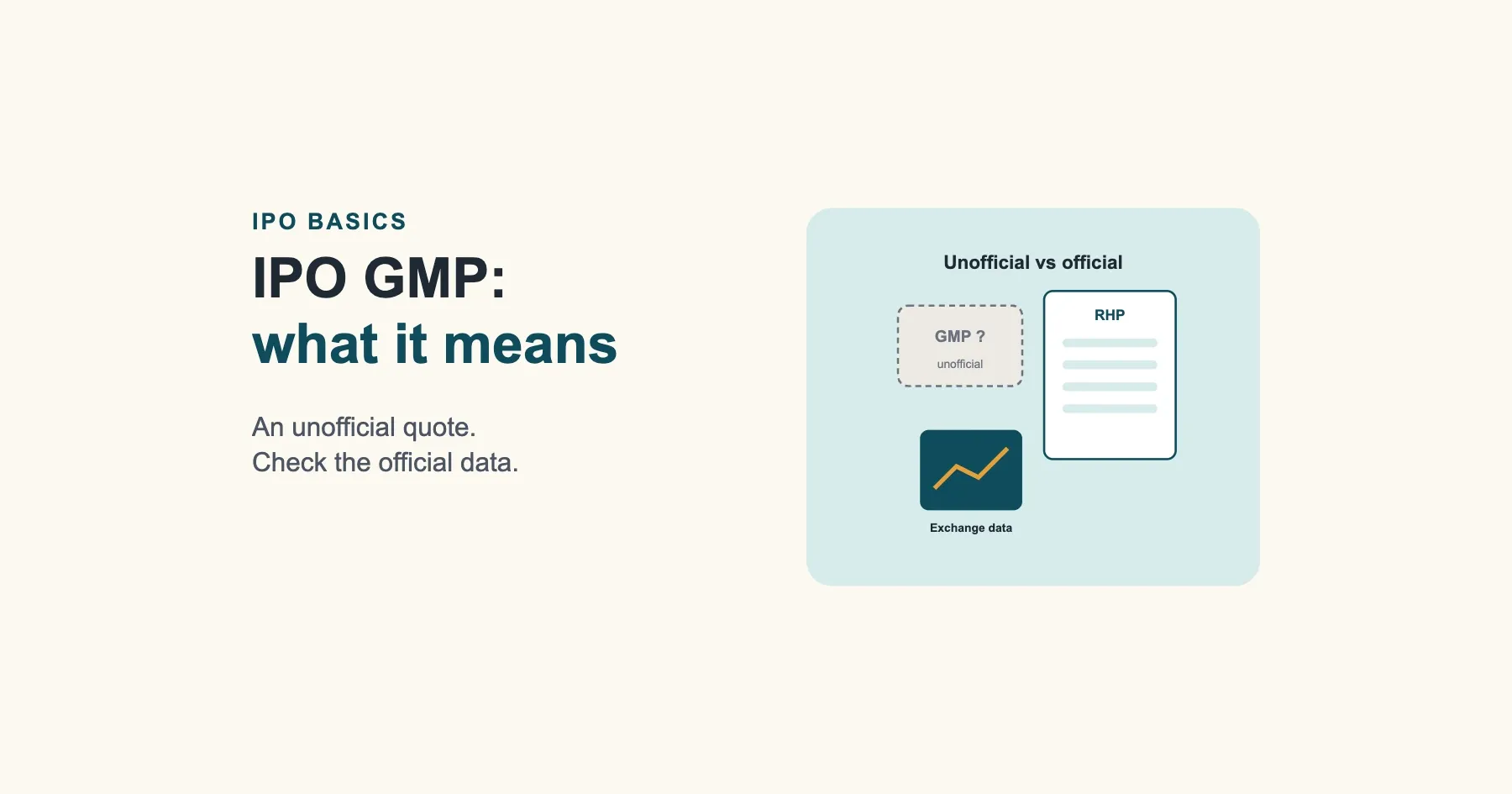
Price swings. Small companies with few freely traded shares can move sharply on small orders. Grey market chatter is unofficial; see what IPO GMP means.
Bid rigidity. Since 1 July 2025 you cannot bid at cut-off or cancel an SME bid, so check the price band before confirming the UPI mandate.
Rules in flux. Lot sizes and market making may change if SEBI finalises its 2026 proposals.
Questions to ask before applying
This checklist is not a recommendation for or against any issue.
- Is this an SME issue or a mainboard issue? Check the platform named in the red herring prospectus (RHP).
- Could I leave the minimum application amount untouched if I cannot sell quickly?
- How large is one trading lot, and am I comfortable selling only in that size?
- Who is the market maker, and for how long is market making committed?
- What is the offer for sale portion, and who is selling?
- How much of the money raised goes to general corporate purposes?
- What do the RHP's risk factors say about debt and related-party dealings?
- Is my emergency fund in place before I block this amount?
How application and allotment work
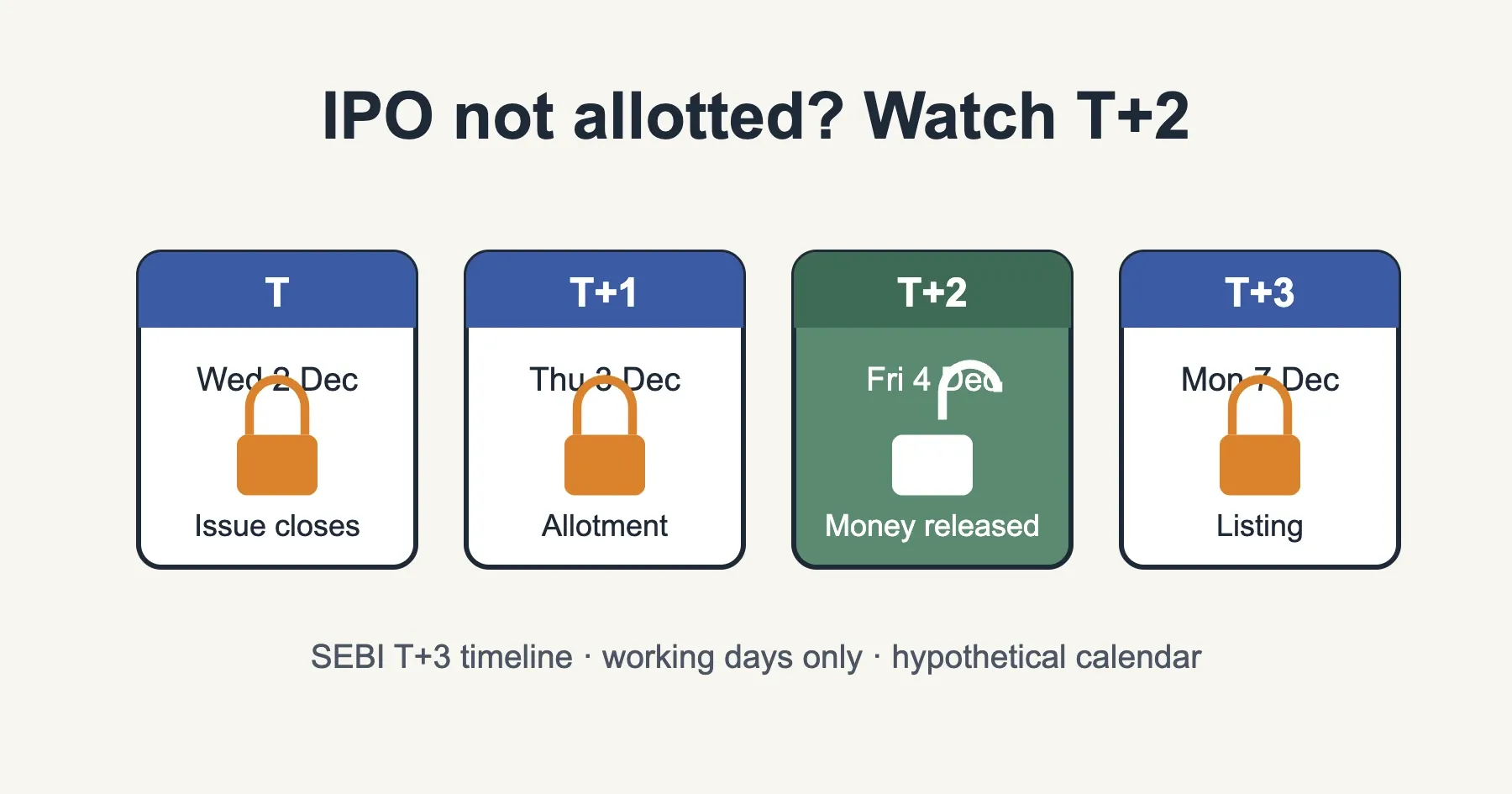
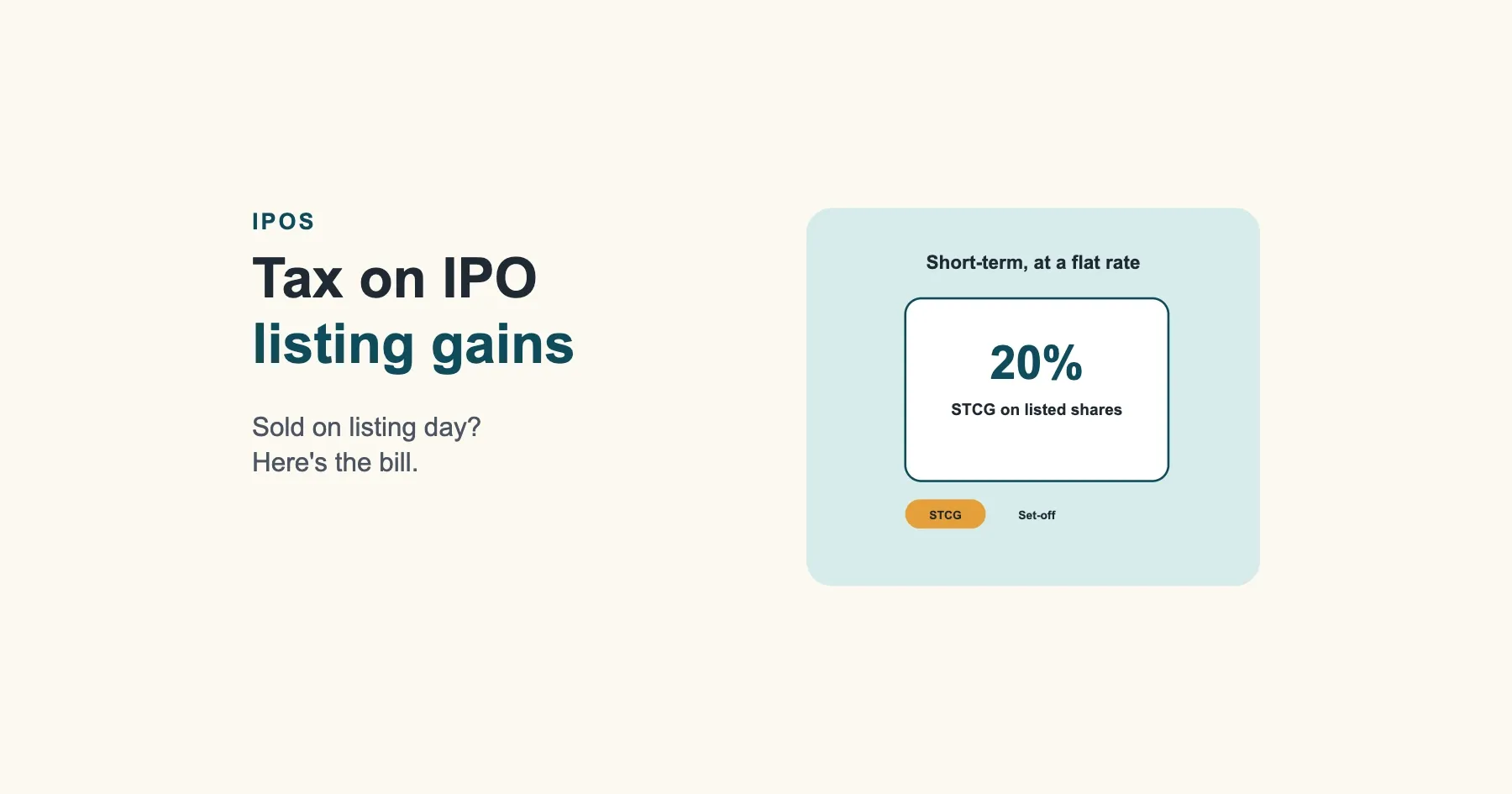
The mechanics are similar: you bid through your broker or bank, the amount is blocked through UPI or ASBA, and it is released if you are not allotted. See how to apply for an IPO through UPI and how IPO allotment works. If you sell after listing, see tax on IPO listing gains.
Frequently asked questions
What is the difference between an SME IPO and a mainboard IPO?
An SME IPO lists on NSE Emerge or BSE SME under Chapter IX of the SEBI ICDR Regulations; a mainboard IPO lists on the main NSE or BSE market. An SME application needs 2 lots above ₹2 lakh versus ₹10,000 to ₹15,000 on the mainboard, and SME shares trade in lots.
What is the minimum investment in an SME IPO now?
Since 1 July 2025, an individual investor must apply for at least 2 lots with an application value above ₹2 lakh (NSE circular, 18 June 2025). SEBI's consultation paper of 14 October 2026 proposes cutting this to 4 lots of ₹25,000 each, or ₹1 lakh, but that is only a proposal until SEBI notifies a change.
Are SME IPOs riskier than mainboard IPOs?
For a retail applicant the risks are generally heavier: more money is at stake in one application, shares trade only in lots, and trading can be thin. Risk still depends on the specific issuer, so read its prospectus.
Can I sell SME IPO shares in small quantities after listing?
Generally not. On the SME platform the IPO lot equals the trading lot, so if you hold 2 lots you can sell 1 lot or both. A one-share trading lot is only a SEBI proposal for now.
What did SEBI change in SME IPO rules in 2025?
SEBI added a ₹1 crore operating profit test, capped offer for sale and general corporate purposes, barred using proceeds to repay promoter loans, and raised the minimum application to 2 lots above ₹2 lakh. The new bidding process became mandatory from 1 July 2025.